
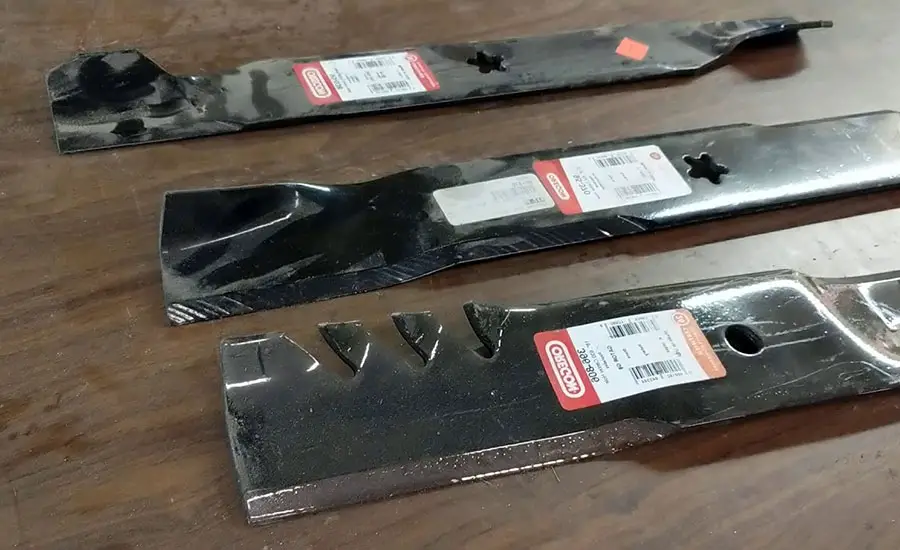
Don’t know much about the different types of lawn mower blades? No problem, we’ve got you covered. For this article, we’ll be discussing what a high-lift lawn mower blade is as well as what a low-lift lawn mower blade is. We’ll also be comparing the 2 in terms of design, function, and price.
Let’s get started.
In this content you’ll learn:
What Is A High Lift Lawn Mower Blade?
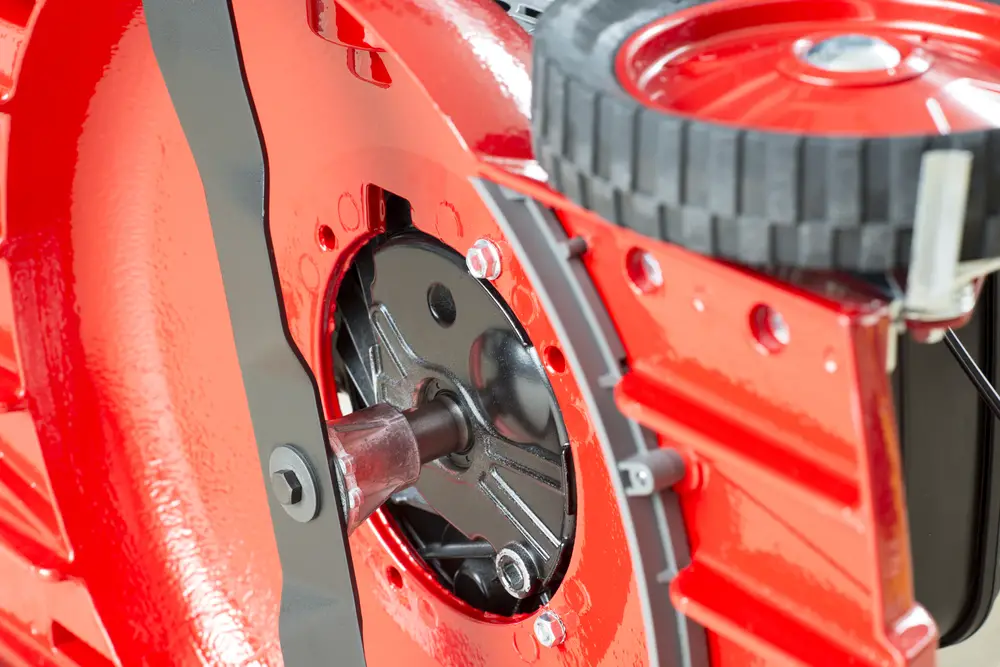
As the name indicates, high-lift lawn mower blades are those blades that are able to create more airflow. This force creates suction to cut longer grass easily. This force is generated by the unique design of this blade.
Low-Lift VS High-Lift Lawn Mower Blade
There are 2 types of lawn mower blades available on the market. Knowing the difference between the 2 can make all the difference in your lawn and how satisfied you are with it.
Let’s start with design.
Design
Most of the design for a low-lift or high-lift blade is the same. There is a key difference though. A low-lift blade’s curve on the back edge isn’t that steep. By comparison, a high-lift blade is much steeper.
Now, let’s discuss function.
Function
Why Get A Low-Lift Lawn Mower Blade?
A low-lift lawn mower blade is a traditional lawn mower blade. It cuts the grass as one would expect it to. Because it doesn’t produce high suction though it won’t be able to cut the grass as well.
Low-lift blades can have some use though. If you’re worried that the high suction of a high-lift blade might pull in unwanted elements such as sand, for example, then a low-lift blade would be a better choice. Low-lift blades are also good for low-cut lawns, as the additional lift isn’t needed.
Why Get A High-Lift Lawn Mower Blade?
Unlike low-lift lawn mower blades, high-lift lawn mower blades create much more suction. Because of this, high-lift lawn mower blades are better in just about every case than low-lift lawn mower blades. Not only can they pull the grass deeper into the cutting well, but they also bag and send the clippings away more efficiently too.
Overall, high-lift lawn mower blades are just better.
Price
When it comes to price, in general, high-lift lawn mower blades will be more expensive. This isn’t always the case though, as some quality brands will have more expensive low-lift blades. In the end, we recommend going with the quality that works for your needs.
When Should I Use A High-Lift Lawn Mower Blade?
1. Long Grass
Low-lift blades just aren’t good at cutting taller lawns. High-lift blades do very well here though.
2. Wet Grass
Wet grass is heavier and stickier. Not only is cutting in wet grass a frustrating experience, but it can also clog your lawn mower much easier. Although we still don’t recommend cutting wet grass, if you really need to, a high-lift blade is the choice to make. Basically, because of the extra airflow they create, they won’t get clogged as easily.
3. Bagging And Discharging
Because high-lift lawn mower blades create all that extra airflow, they’re also great at getting rid of those clippings too. This is true even if you want to bag them up.
Do High-Lift Blades Create A Better-Looking Lawn?
Yes, high-lift blades do create a better-looking lawn than low-lift lawn mower blades. Because of their higher suction and airflow, they actually get a much more even cut, even on longer grass. So, if you’re looking for that edge in creating a good-looking lawn, it’s time to invest in a high-lift lawn mower blade.
In Conclusion
By now you should know what a high-lift lawn mower blade is. They’re not just worth knowing about either, they are essential tools when it comes to cutting the grass. There are always exceptions, of course, but, for the most part, high-lift blades are an essential part of any good-looking lawn.
So, what do you think? Ready to get a high-lift lawn mower blade? What are your reasons for looking into one? We’d love to know in the comments below!